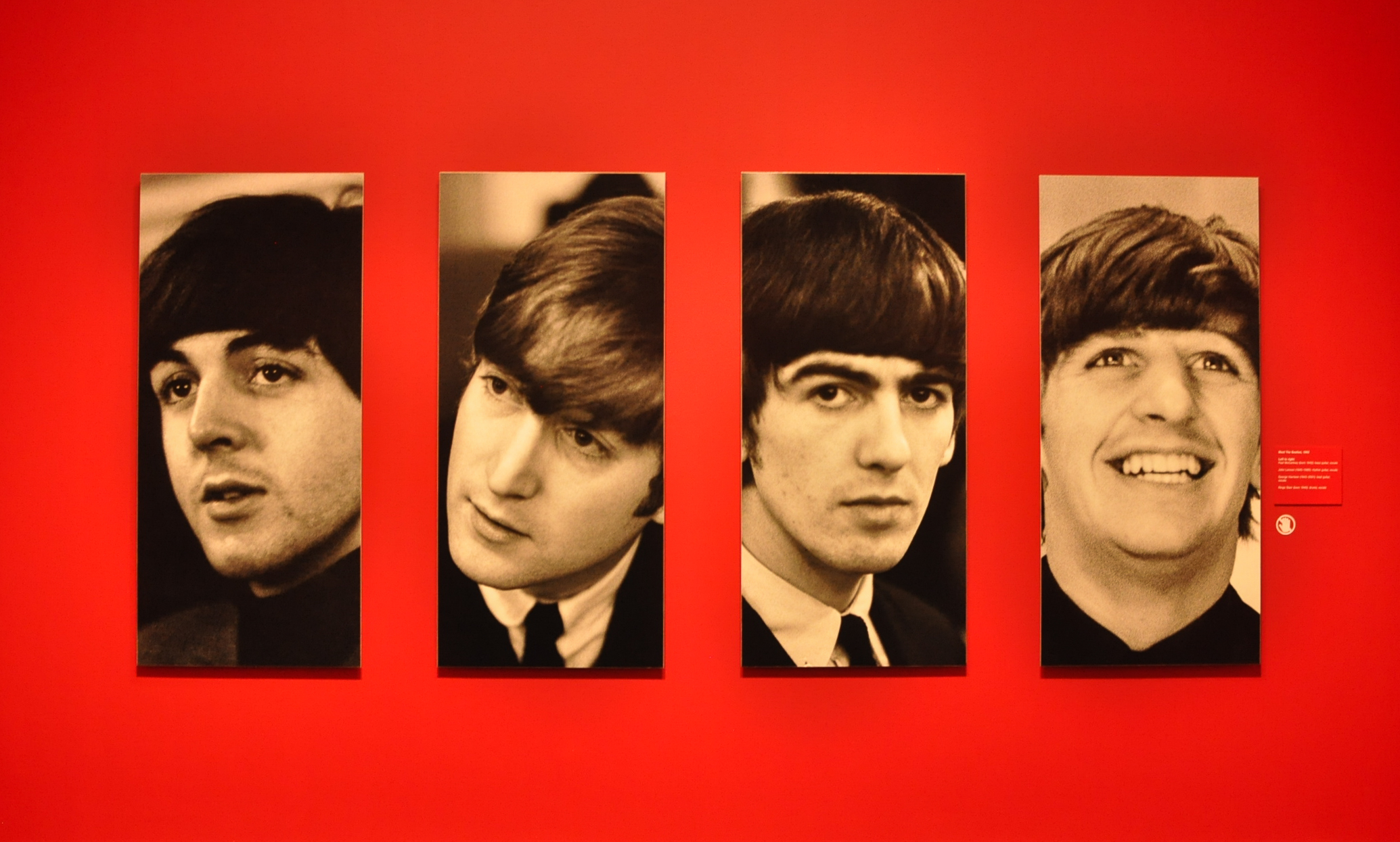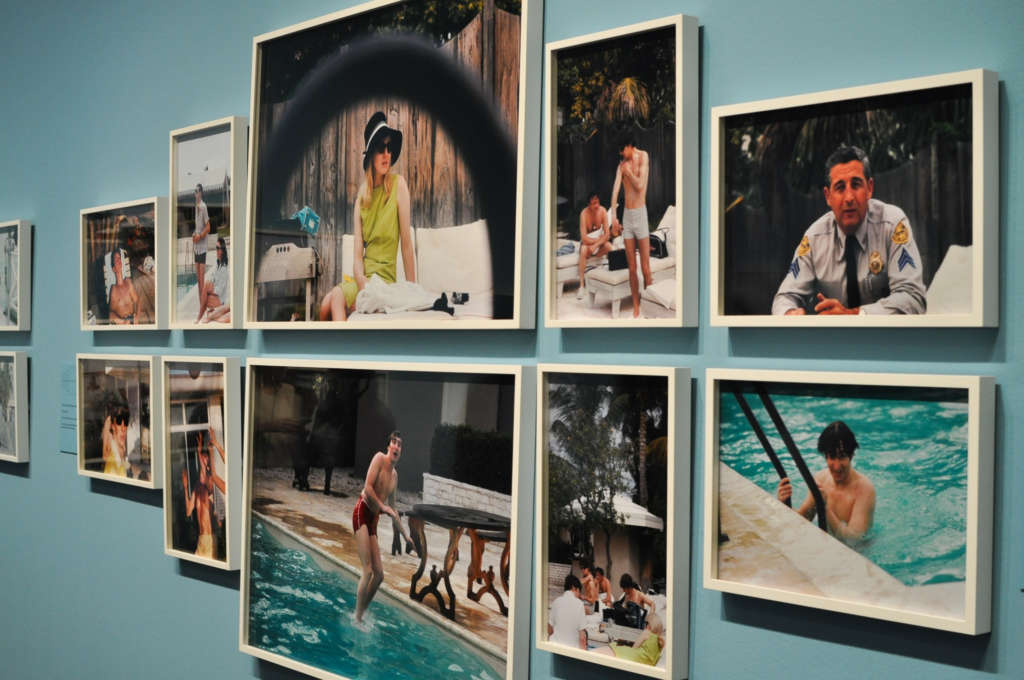
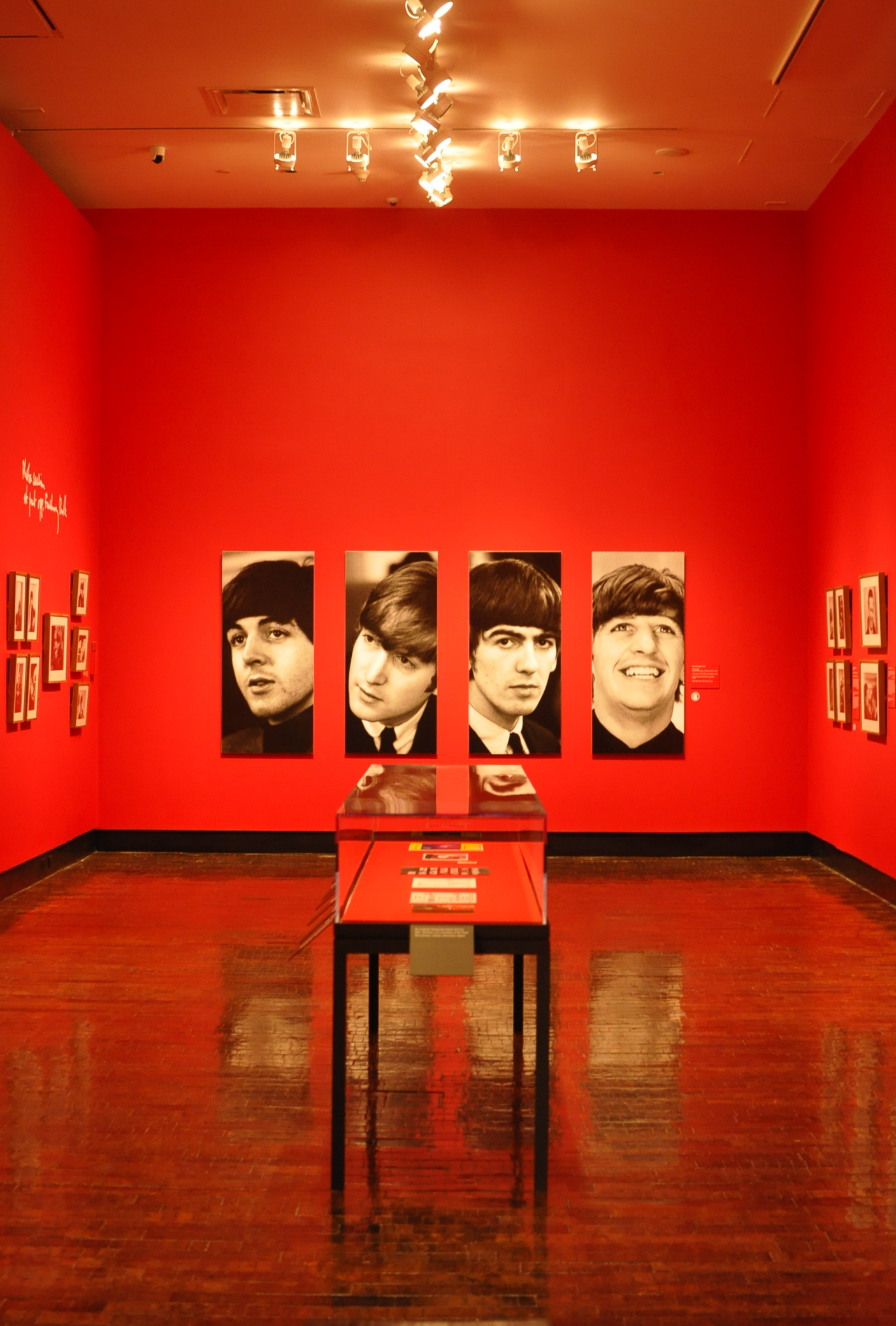
November 6, 2025 may be remembered in Nashville as the second coming of the British Invasion. Throughout Music City, Paul McCartney’s name-and-likeness could not be escaped: The Frist Art Museum opened its 1964: Eyes of the Storm exhibition featuring photographs taken by the acclaimed musician; The Pinnacle hosted him for a nearly-three-hour-long concert; and a multi-media marketing campaign ranging from minimalist posters to a limited-edition doughnut advertised his latest book on and box set from Wings.
While McCartney’s presence may have been unavoidable last week, his photo gallery and performance also reminded his audience that it would be impossible for him to live anywhere but the spotlight. The rockstar has dominated the pop culture landscape since The Beatles landed at JFK Airport in the winter of 1964. In that year alone, the Fab Four recorded two studio albums, sent six songs to the top of the Billboard Hot 100 chart, toured in four continents, and released a film which opened at #1 at the box office. Journalists asked when “the bubble would burst.” It never did.
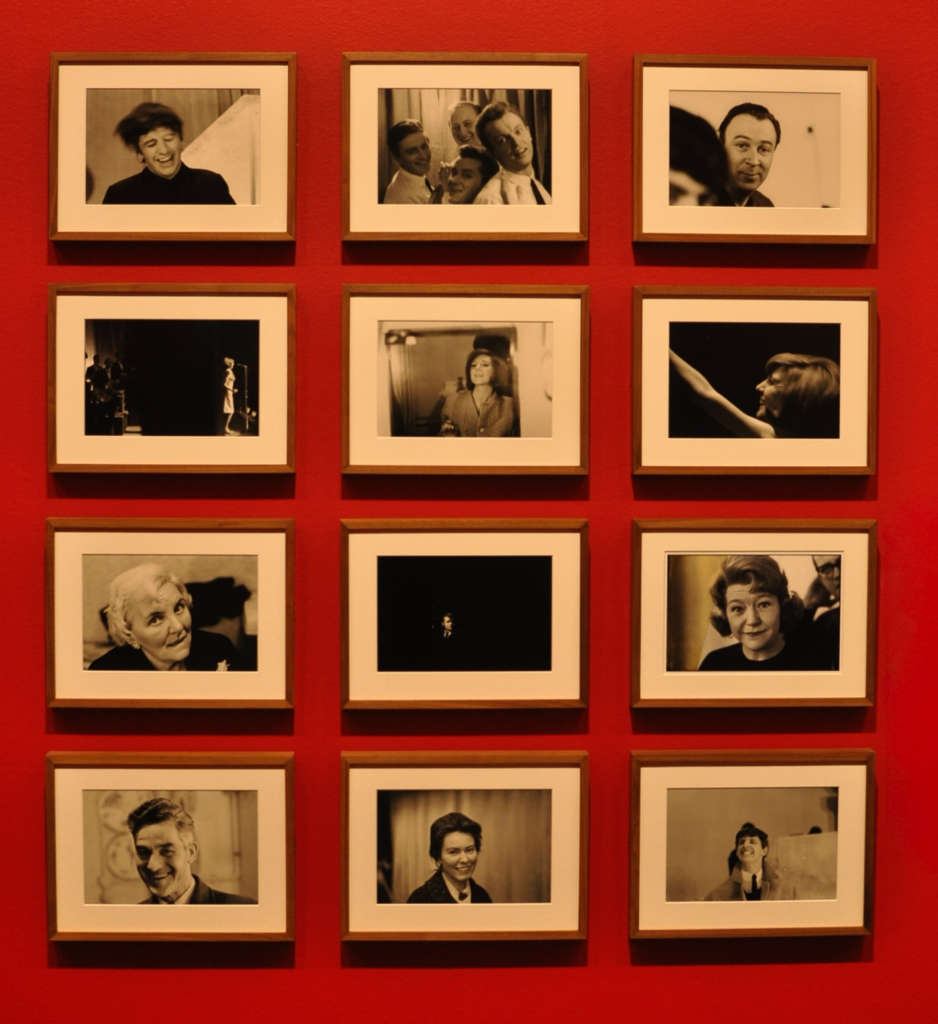
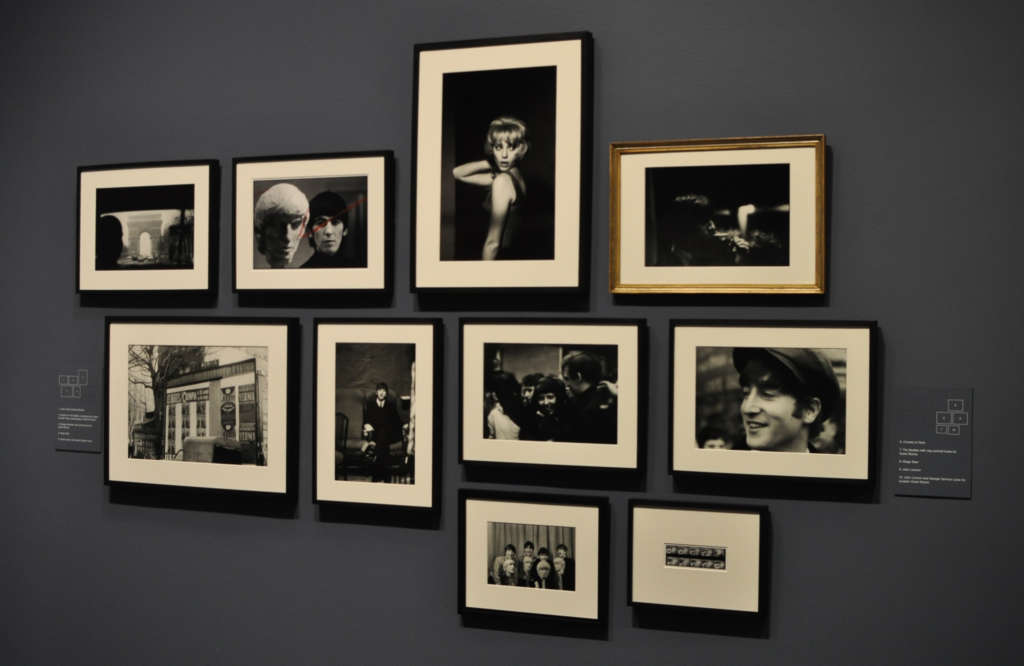
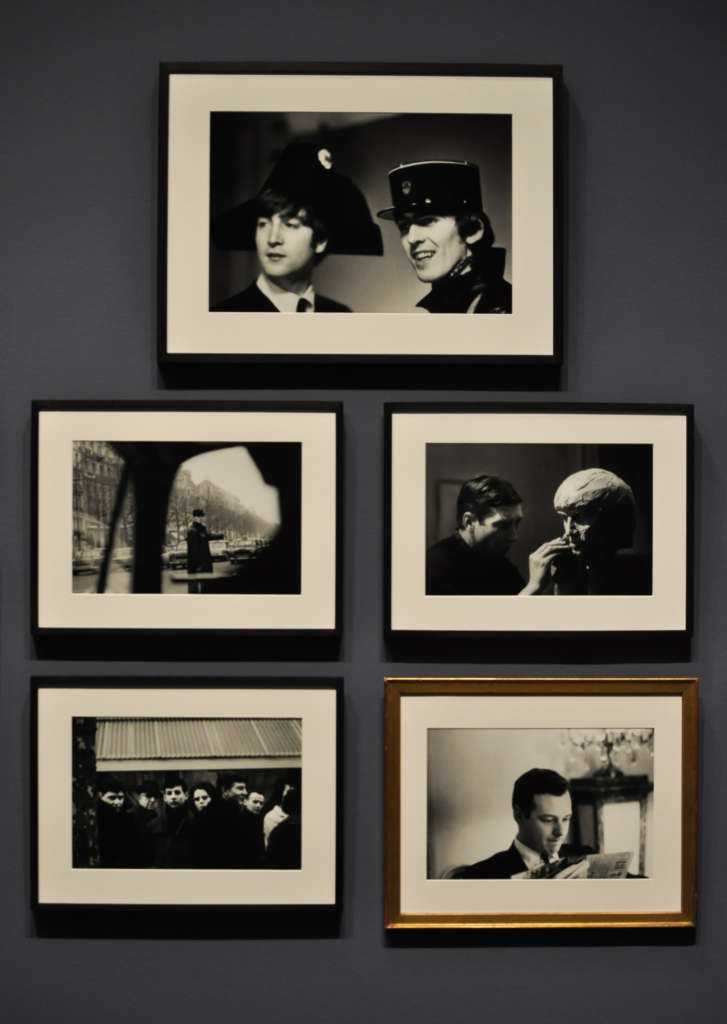
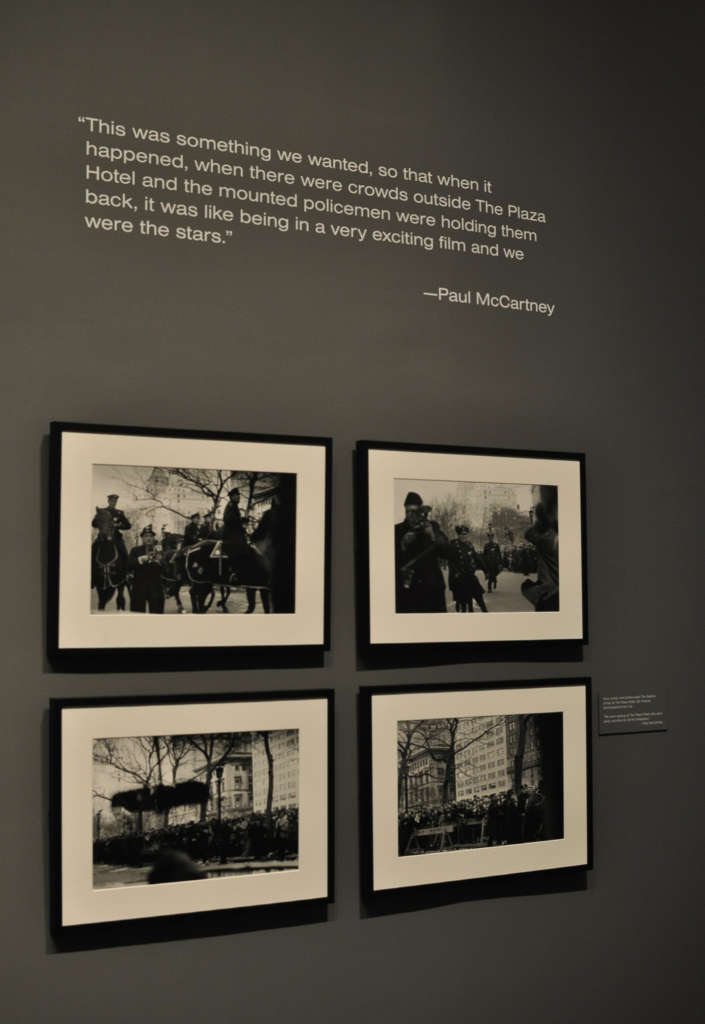
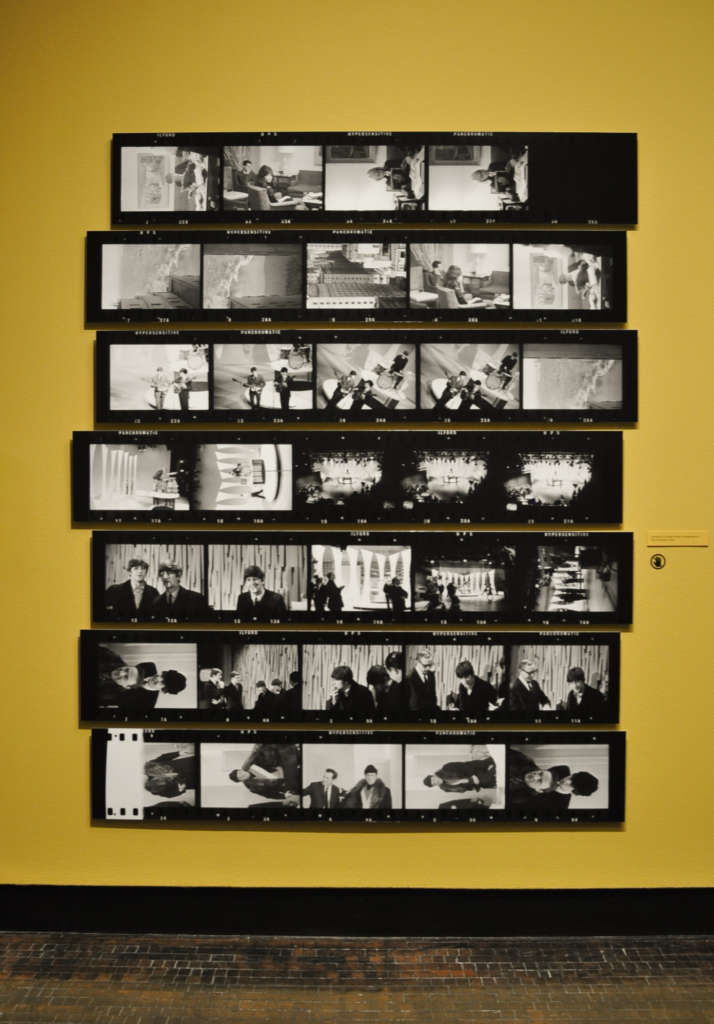
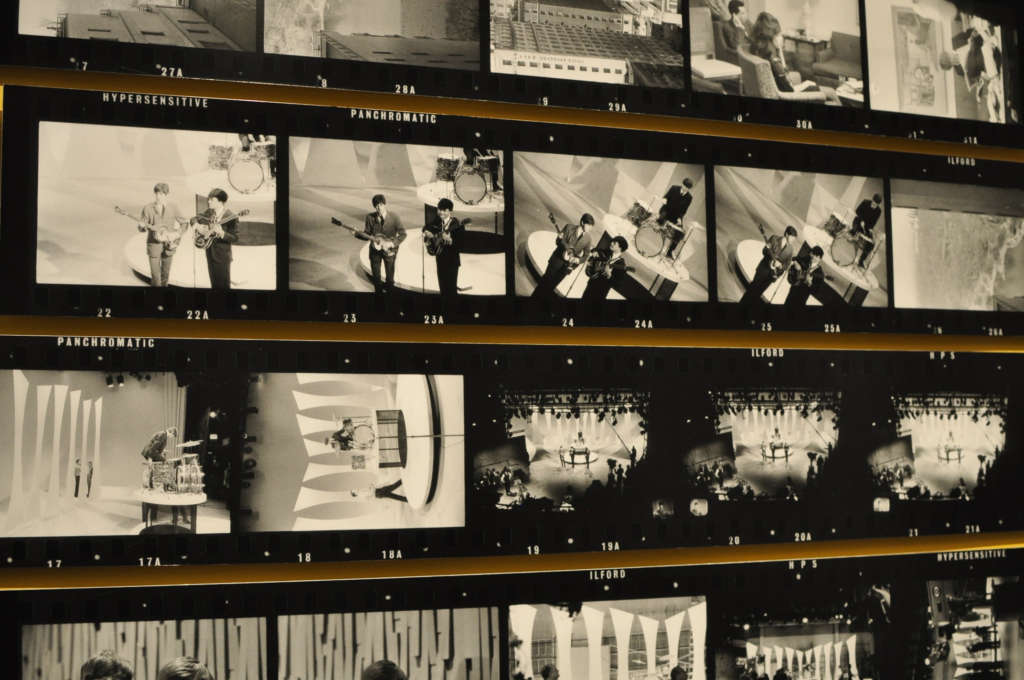
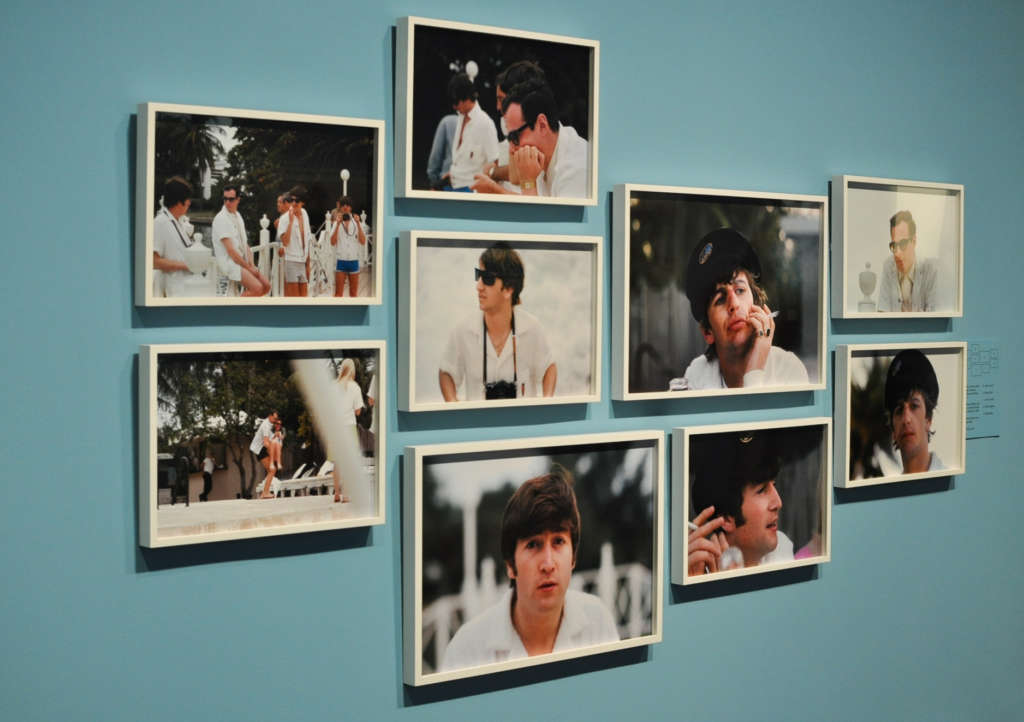
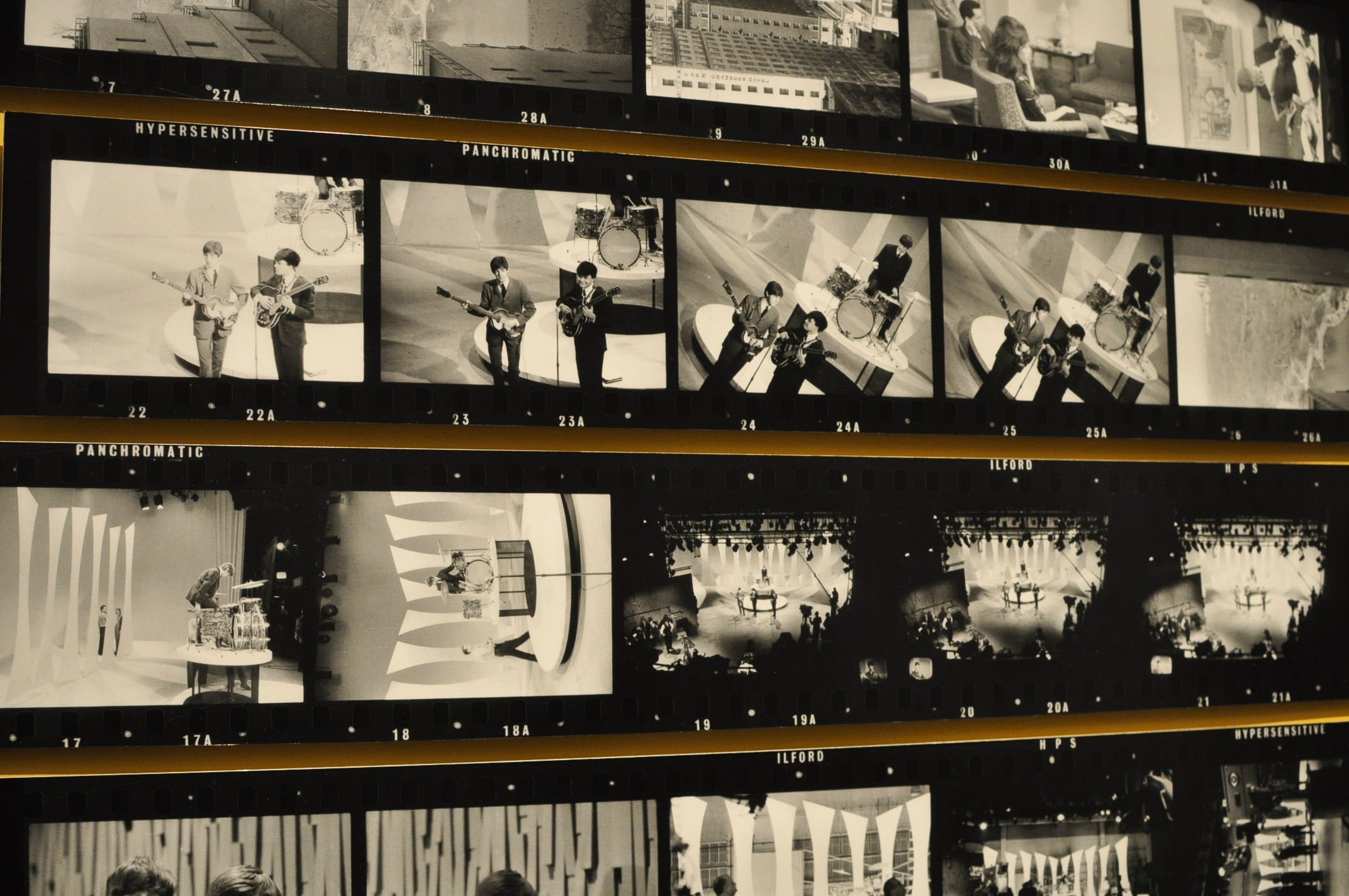
1964: Eyes of the Storm, which will be in residence at the Frist until January 26, 2026, captures that explosion of Beatlemania. The exhibition showcases photographs shot by McCartney (and, occasionally, others) on his Pentax 35mm camera from November ‘63 through February ’64. The photos range in subject matter and content: he snaps pictures of his bandmates, romantic partners, visits to national landmarks, and any cultural oddity that catches his attention. These shots invert the usual perspective of Beatlemania: for the first time since Richard Lester’s A Hard Day’s Night, anyone can visualize this phenomenon through the eyes of a Beatle.
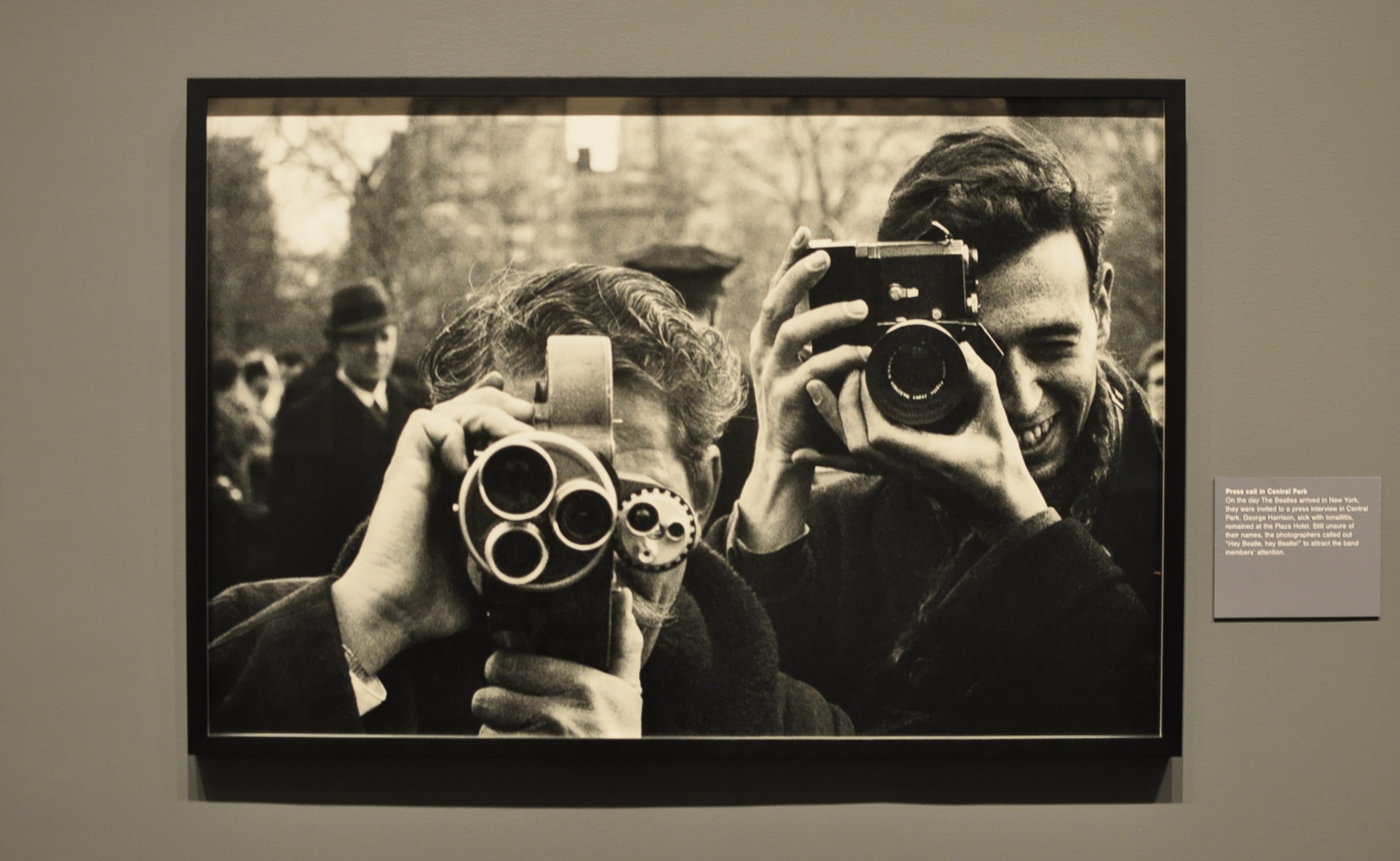
Most strikingly, McCartney’s photographs remind viewers not only of the absurdity of the gaze upon The Beatles, but also The Beatles’ gaze upon the absurdity. In less than a year, The Beatles went from playing the Cavern Club, which held 250 people, to performing on the Ed Sullivan Show for an audience of 73 million. During this rise, fans, reporters, and artists began treating The Beatles as gods amongst men. In a series of photos, McCartney shows his bandmates reacting to sculptor David Wynne’s designs for bronze busts of each member; one photograph captures John Lennon staring at the mold for his bust, with a blend of curiosity and disgust towards the creation. In another snapshot, McCartney almost mocks a pair of photographers shoving their lens towards the Beatle as they cry out for a photo. While other cultural figures, such as Elvis Presley or Marilyn Monroe, may have been exposed to media attention, McCartney reveals the strange and distinct cult that surrounded The Beatles from their initial success.
Six decades later, McCartney is still analyzing and challenging the invasive gaze of Beatlemania. His concert on November 6th at The Pinnacle pushed against many of the tropes of that perception. For starters, McCartney limited the number of eyes that could look upon him by choosing to play at a venue that only holds 4,500 attendees – roughly four times smaller than his other stops on the “Got Back” tour and twelve times smaller than his largest performance with The Beatles at Shea Stadium in 1965. The rockstar also stamped out most of the camera lenses which have framed him throughout his career; concert attendees were required to leave their electronic devices in sealed pouches throughout the show. Still, the adapted atmosphere did not change every way that the audience viewed McCartney. Fans screamed and shouted throughout the show, with repeated proclamations of “I love you, Paul!” proving how some things never really change.
Most attendees already viewed McCartney as a living legend, but his almost three-hour-long concert reaffirmed such a distinction. Few performers could hold their audience’s attention for so long without singing all of their chart-topping hits, but McCartney only played eight out of his twenty-nine songs which reached #1 in the U.S. – a testament to his catalogue and showmanship. The multi-talented musician switched between guitar, bass, and piano as he pulled out material from The Beatles, Wings, and his solo career. He rocked out to staples such as “Help!” and “Band on the Run;” he laid into every note with slower jams like “Let Me Roll It” and “Letting Go;” and he welcomed audience participation on “Ob-La-Di, Ob-La-Da” and “Hey Jude.”
With a limited audience and few cameras, McCartney appeared to revel in the change in his concert environment. Once during the show, he stared out into the crowd and marveled, “No phones!” Paul McCartney understands that he will never live in a world without Beatlemania, but in Nashville, he revealed his contentment in audiences who agree to look and listen.