Internet users, particularly those in the music milieu, love a buzzword. “Electroclash,” “bloghouse,” and “indie sleaze” have slotted perfectly into so many modern pop reviews that it can be hard to truly understand their true definitions anymore. Before these current times, one buzzword was truly inescapable to anyone who considered themselves a music fan: hyperpop. Marked by a DIY approach to making glitched-out pop tracks, “hyperpop” was an umbrella term a large niche of artists were placed into. It made the heyday of the genre unstoppable. “Have you been to the 100 gecs tree?” “Did you see Rebecca Black collabed with Dorian Electra on ‘Edgelord’ ?” “Charli just dropped the feature list for her new album, it’s insane!” The hyperpop hype infiltrated almost every music conversation I had from 2018 to 2020 for better or worse, and it was hard not to get swept up in it.
Writing this now, it’s hard not to at least giggle at some of the quotes I uttered, considering most of these relics have become culturally irrelevant. At its 2020 peak, the pandemic was the perfect microcosm for hyperpop to thrive. Square Garden Festival hosted in Minecraft was a uniting time for hyperpop fans kept separated by the virus, and the home-spun creation of COVID-19 opus how i’m feeling now was quite possibly the greatest album rollout I have experienced. These climaxing events and albums, though, made the following genre innovations seem small in comparison. As people emerged from hiding in their homes, the hyperpop movement retreated into the background.
The pop culture-trend recycler prevents an eternal retreat, however, and just as quickly as it dissipated, hyperpop has seen a recent re-emergence. Return of interest was primarily sparked by Jane Remover’s Revengeseekerz, and the buzzword is creeping its way back into our lives (see Dylan Brady producing for up-and-comer xaviersobased, Danny Brown’s full embrace of the musical style, or even my own 2025 Spotify Wrapped). This time around, hyperpop feels, and importantly sounds, much larger: the ideas are fresher, the sounds are bigger, and the stakes are higher. U by underscores capitalizes on these shifts to create the first great album of 2026.
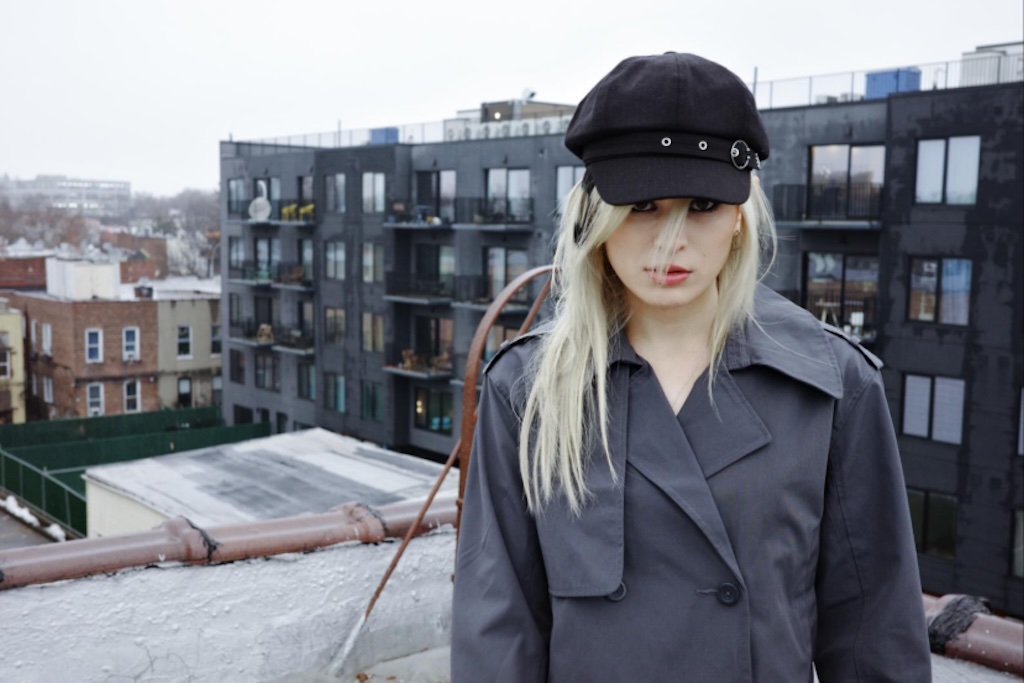
It would be dismissive to label underscores as a “hyperpop artist,” but her foundations in the genre serve as her launching pad for her to chart new territory in pop music as a whole. U traces sounds of classic hyperpop and EDM but weaves in power balladry, R&B, K-pop, and punchy pop rock. Clocking in at just under 35 minutes, U is a kaleidoscopic collection of nine tracks that feels airy yet grounded. The diamonds are found where this juxtaposing pressure is greatest.
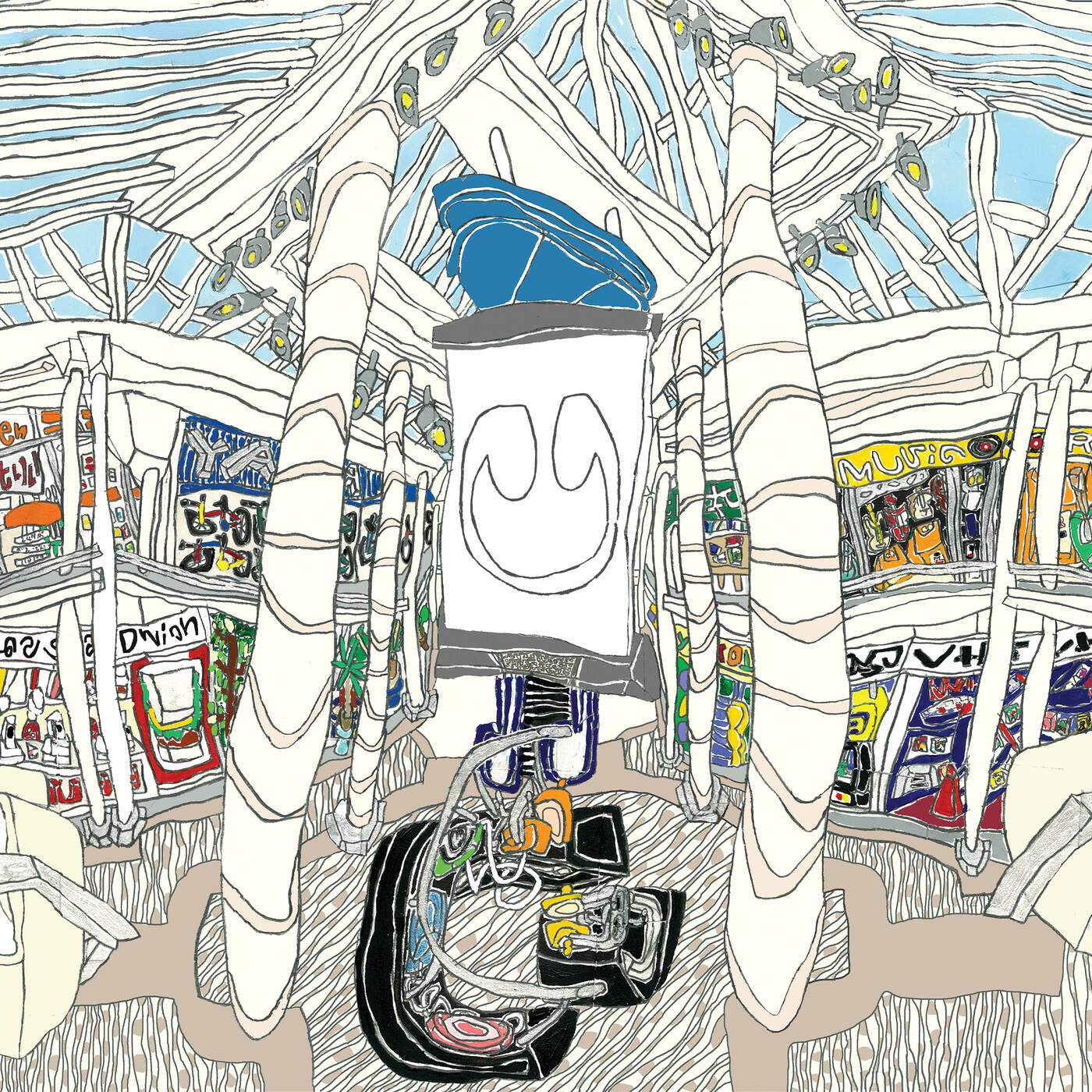
Billed as “music for malls, airports, hotels, and supermarkets,” U is a transportive event that ventures into every corner the pop underground has to offer. It opens with the pre-album single “Tell Me (U Want It),” which serves as an immediate thesis for the project. The whiplash-like intro of booming programmed drums quickly transitions into a simple guitar pluck reminiscent of her dense 2023 concept album Wallsocket. This simplicity crashes into a shuttering chorus complete with auto-tuned vocals, twinkling synths, and fried electronics. The cacophony of styles present on the opener previews well the rest of the project: “Lovefield” is a mish-mash of light-on-its-feet synth work and explosive 2-step rhythms, “The Peace” throws Imogen Heap-esque vocal effects and A.G. Cook-indebted dance breaks into a blender, and “Innuendo (I Get U)” plays out like a classic Justin Timberlake cut primed for EDC.
Even when not deconstructing classic sounds and frankensteining them back together, underscores succeeds in perfecting the rich hyperpop-esque sound she has been refining since the genesis of her career while also fighting back against the label. “Hollywood Forever,” the most club-ready track on the album, casts twisted oontz oontz against lyrical confusion about newfound fame. The results are stellar, providing immediate sonic serotonin, and I can only see your favorite DJ nodding in approval when the drop finally hits.
The digitally-distored R&B of “Do It” is infectious, a true masterclass in how to make a pop song, and a showcase of her musical evolution. Lyrically, “Do It” manages to expertly pin down the calamity of the modern talking phase: “Am I in your playlist? Do you have Spotify?” is a tongue-in-cheek doublet that should make you roll your eyes but instead elicits a click of the replay button. In the hands of a lesser internet and music auteur, U’s use of references and heavy sounds would run stale, but underscores’ careful control provides a much-needed balance to the project, a facet that has failed many hyperpop acts of the past and present.
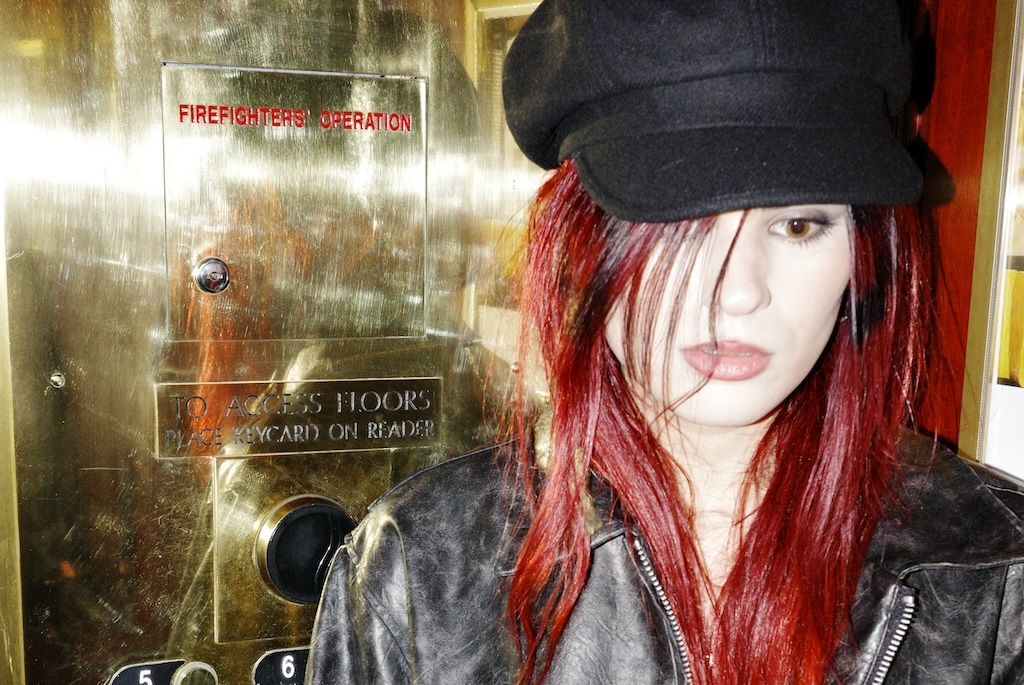
U showcases, however, that underscores is an artist of the future. Lead single, “Music,” is immediately recognizable to any self-proclaimed hyperpop fan with its bass-heavy synth line and sickeningly-sweet vocals. It is a larger-than-life expression of pure infatuation (and potentially contains the best bridge of any pop song this decade). The track even lands a classic LOL-lyric that remains a must in the genre: “I had a wet dream ‘bout the perfect song.” What separates the track from drowning in the dregs of hyperpop tracks released prior is its sincerity (even with that wet dream bit).
Although up for debate if “earnest” should be used to describe hyperpop, U at its core is an earnest album. It wants to be taken seriously and richly succeeds in this endeavor. Underscores’ passion clearly translates throughout every track, and it is refreshing to hear an artist try – something we have not seen much of since the onslaught of BRAT. This earnestness is the heart of U and a much needed shift in the hyperpop sphere that makes me excited for the projects to follow. Maybe it’s too early to call, but the buzzword is back.